
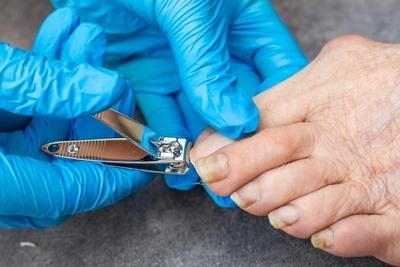
At First Choice Podiatry in Annapolis, MD, we help patients with diabetes protect their feet through consistent, preventive care. Diabetic foot care plays a critical role in reducing the risk of infection, wounds, and long-term complications. One of the most important yet often overlooked aspects of daily care involves trimming toenails safely and correctly.
Why Toenail Care Matters for Patients With Diabetes
Diabetes can affect circulation and nerve function in the feet. Reduced sensation makes it harder to notice cuts, pressure, or injury, while slower healing increases the risk of infection. Even a small nick in the skin from improper toenail trimming can lead to serious complications if left untreated. Proper diabetic foot care helps prevent ingrown toenails, skin breakdown, and infections that may otherwise go unnoticed.
How to Trim Toenails Safely
Toenails should always be trimmed straight across rather than rounded at the corners. Cutting nails too short or shaping them to curve along the toe increases the risk of ingrown toenails, which can become infected quickly in patients with diabetes. Nails should remain even with the tip of the toe, not below the skin line.
Use clean, sharp nail clippers designed for toenails. Dull tools can crush the nail rather than cut it cleanly, which may cause splitting or jagged edges. After trimming, gently file sharp corners with an emery board rather than cutting them further.
What to Avoid When Trimming Toenails
Never cut cuticles or dig into the sides of the nail. Cutting cuticles creates an open pathway for bacteria. Avoid using scissors, razors, or other sharp tools to remove thickened nails or callused skin. These practices increase injury risk and compromise diabetic foot care.
If vision issues, limited mobility, or thickened nails make trimming difficult, professional care remains the safest option.
Signs That Professional Nail Care Is Necessary
Patients should seek podiatric care if toenails become thick, discolored, brittle, or difficult to trim. Pain, redness, swelling, drainage, or skin irritation around the nail also require evaluation. These signs may indicate infection, fungal involvement, or ingrown nails that need medical treatment.
Routine podiatric visits help identify problems early and support long-term foot health.
Additional Tips for Daily Diabetic Foot Care
Inspect feet daily for cuts, blisters, redness, or swelling. Wash feet with warm water, dry thoroughly between toes, and moisturize dry skin while avoiding lotion between toes. Wear properly fitted shoes and clean socks to reduce pressure and friction.
Consistent habits protect foot health and reduce complication risk.
Schedule a Diabetic Foot Care Visit
If you have diabetes and need guidance on safe toenail care, professional support can help prevent serious problems. First Choice Podiatry proudly serves patients in Annapolis, MD with comprehensive diabetic foot care. To schedule an appointment or request nail care assistance, call (443) 332-2300 today.